




























Moving House? Here’s How to Keep your Cat Cool, Calm and Collected.
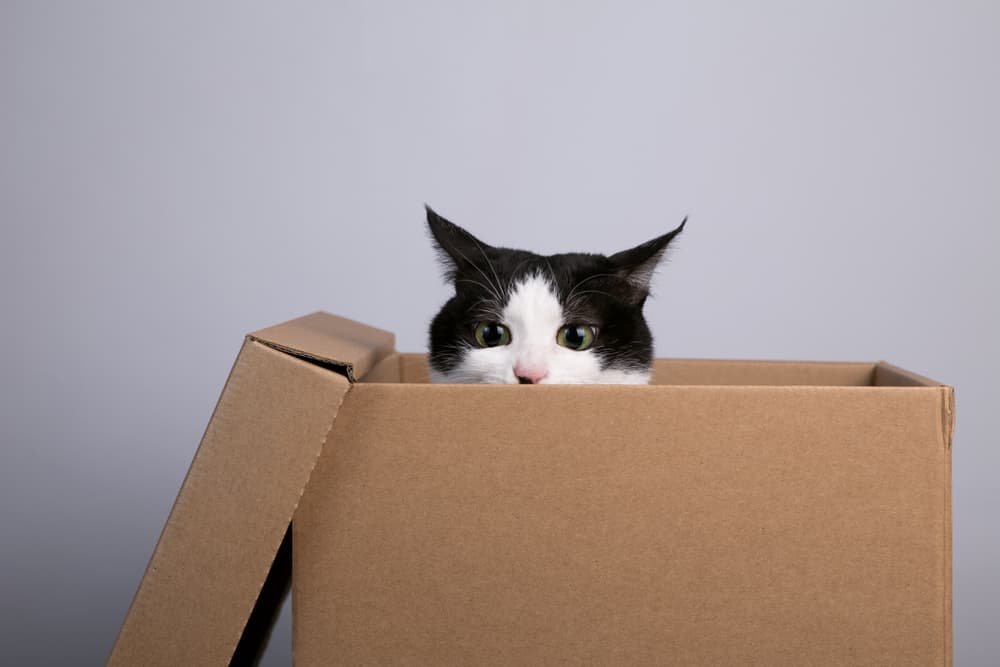
Furniture covered in scratches? Packing boxes under attack? Litter tray being ignored?
Moving house is a whirlwind. You’ve got to book a van, pack everything up, and finally decide to let go of those old CDs…
If it’s this overwhelming for you, just think how daunting it must be for your cat.
To help your cat stay calm and comfortable during the move, here’s how to get them ready with care and consideration.
Signs Your Cat is Stressed During a Move
Before you start the moving process, it's important to recognise the signs that your cat might be feeling stressed.
It could be things like using the bathroom outside the litter tray, scratching up your furniture, or just seeming more irritable than usual. These behaviours can be signs that your cat is feeling anxious.
So how can you help? Cats thrive on routine, so the goal is to gradually introduce them to their new normal.
A few weeks before moving day, bring out the packing boxes and let your cat get used to them. Give them time to adjust to their cat carrier too. And remember to pack your cat’s belongings last to keep their environment familiar for as long as possible.
To protect your home from any stress-related scratching in the meantime, Aristopet’s No Scratch Spray for Cats can help keep those claws in check.

Preparing Your Cat for Moving Day
Moving day can be especially stressful for your cat, so it’s important to plan ahead. Start by setting up a quiet, familiar space for them – like your bedroom – with all their favorite things. This will help them feel secure before the moving activity begins.
Catnets' Cat Tunnel is a great addition to this temporary safe space. It provides ventilation on all sides, with doors you can open or close, making it a perfect hideaway for your cat. Plus, it’s portable, so you can take it with you on moving day!
To help your cat stay calm, consider turning on some background noise, like the radio or TV, to mask the sounds of the move. Be sure to lock the door, close the windows, and place a “Do not disturb” sign on the door to keep the space quiet and secure.
Once everything else is packed and ready to go, place your cat in a carrier and bring them to the car before you move the last of the bedroom items.
Ensuring a Safe Journey for Your Cat
To help manage your cat’s anxiety during the journey, try placing a familiar blanket or their favorite toy in the carrier. The scent of something they know well can be very comforting. Additionally, consider using a pheromone spray designed to help calm cats, which you can lightly mist inside the carrier before the trip.
If these strategies aren’t enough and your cat is still particularly anxious, you might consider speaking to your vet about a mild sedative for the journey. It’s important to only do this under the guidance of a vet, as this isn’t something you should decide on your own.
For longer trips, it’s best to wait at least three hours after feeding your cat before starting the journey to help avoid car sickness.
During the trip, keep your cat in a carrier the entire time to ensure their safety and prevent them from becoming a distraction while driving. You can make the carrier more comfortable with these simple tips:
- Place the carrier on a car seat and secure it with a seat belt to prevent sliding.
- Line the bottom of the carrier with your cat’s favorite blanket to make it feel more familiar.
- Never leave your cat in the car unattended.

Helping Your Cat Settle into Your New Home
Once you’ve moved in, your cat should only explore the rest of your home one room at a time.
The first room on the agenda should be one with familiar objects: a litter box, food and water.
Don’t worry if your cat isn’t overly adventurous or curious in its new surroundings. And if they’re hesitant to venture outside their favourite room for a few days – or even hide in it – that’s completely normal too.
If this is the case with your furry friend, hide some dry food around the house to encourage them to explore.
Checking out their new backyard is another daunting first for your cat, so be sure to follow them outside the first few times to let them know they’re safe.
And, if your new place doesn’t already feature one, consider installing a Staywell’s 700 Series Original 2 Way Pet Door to give your cat the freedom to come and go safely – and relieve yourself from doorman duties!

Preventing Your Cat from Straying
Cats have an amazing sense of direction, and when you move them to a new area, it’s common for them to try and find their way back to familiar territory.
To prevent this, keep your cat indoors at your new home for at least two weeks – ideally a month – to help them get used to their new surroundings.
During this time, make sure to cat-proof your home by blocking any potential escape routes like windows, doors, and fire escapes. Also, create a comfortable space where your cat can relax and feel secure.
When you’re ready to let them explore outside, start with short, supervised visits of about 10 minutes. Begin in your backyard if you have one, and gradually increase their outdoor time. After about a week, your cat should be ready to explore on their own!
To cover all your bases, make sure:
- Your cat’s ID collar is up to date
- Your cat has been microchipped
- You’ve alerted the Australian Animal Registry of your new address
This way, even if your cat does manage to slip away, they’ll come right back in no time!
In the midst of all the chaos, don’t forget to give your cat the extra care they need during this big transition. With a little preparation and attention, you can help them settle in smoothly and feel right at home.

Ensure Calm Days for Your Cat
Check out more Health & Wellbeing Cat Blogs

3 min read
Article name that is long to see how it sits on two lines
Lorem ipsum dolor sit amet, consectetur adipiscing elit. Quisque dignissim purus orci, at hendrerit massa pretium nec. Maecenas vitae porttitor ante. am facilisis vestibulum massa in mattis. Donec maximus ut risus vel sodales. Nullam facilisis vestibulum massa in mattis.
3 min read
Article name that is long to see how it sits on two lines
Lorem ipsum dolor sit amet, consectetur adipiscing elit. Quisque dignissim purus orci, at hendrerit massa pretium nec. Maecenas vitae porttitor ante. am facilisis vestibulum massa in mattis. Donec maximus ut risus vel sodales. Nullam facilisis vestibulum massa in mattis.
3 min read
Article name that is long to see how it sits on two lines
Lorem ipsum dolor sit amet, consectetur adipiscing elit. Quisque dignissim purus orci, at hendrerit massa pretium nec. Maecenas vitae porttitor ante. am facilisis vestibulum massa in mattis. Donec maximus ut risus vel sodales. Nullam facilisis vestibulum massa in mattis.
3 min read
Article name that is long to see how it sits on two lines
Lorem ipsum dolor sit amet, consectetur adipiscing elit. Quisque dignissim purus orci, at hendrerit massa pretium nec. Maecenas vitae porttitor ante. am facilisis vestibulum massa in mattis. Donec maximus ut risus vel sodales. Nullam facilisis vestibulum massa in mattis.