




























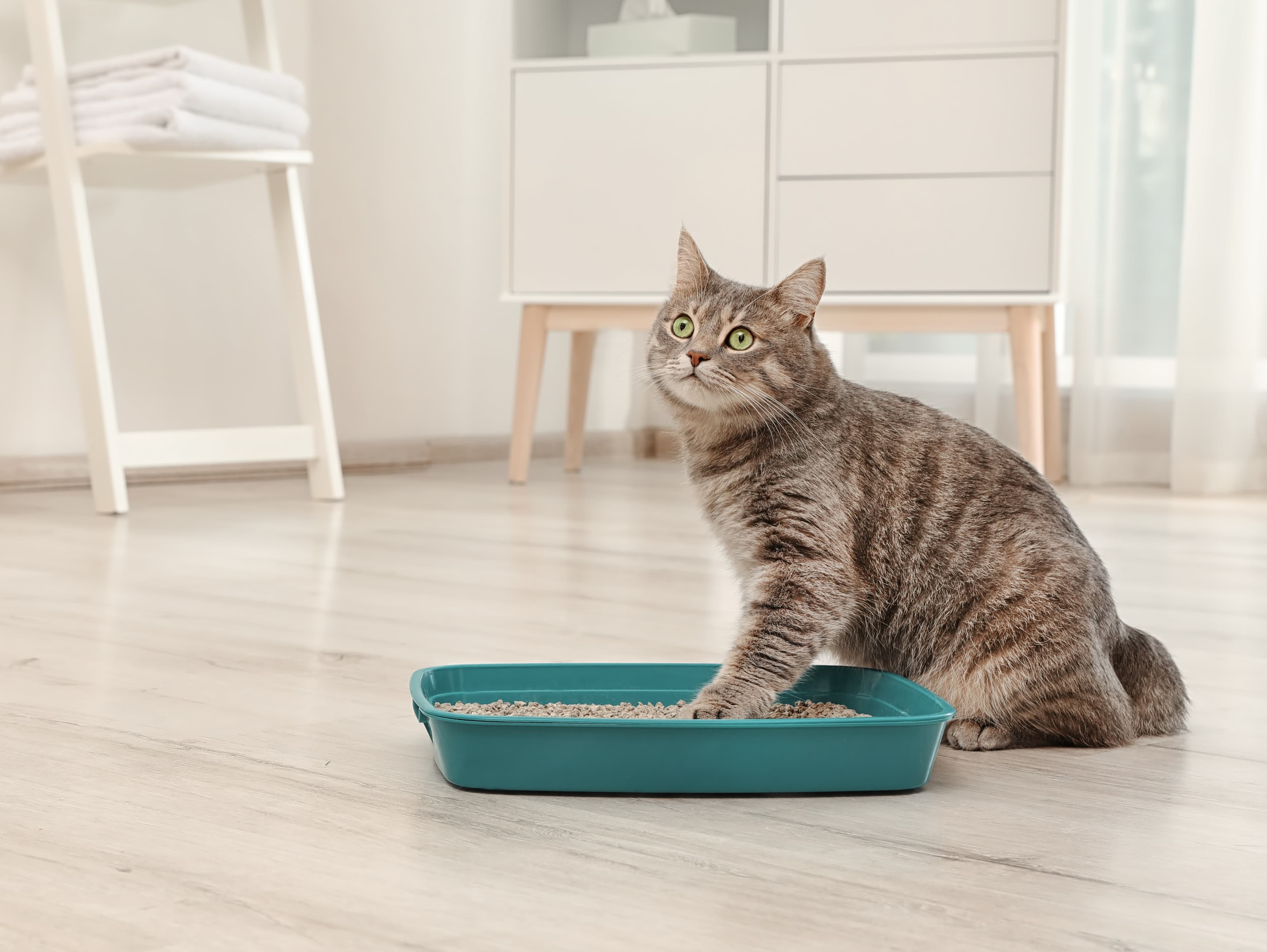
Keeping your cat's litter box clean and comfortable is key to their happiness and health. Whether you're a new cat parent or just looking for some tips to improve your routine, this guide will help you ensure your cat has a clean and welcoming space to do their business. Let's dive into the best practices for litter box care, from cleaning to choosing the right location and litter.
How to Properly Care for Your Cat's Litter Box
If your cat spends all their time indoors, it’s important to scoop out the faeces daily, ideally as soon as your cat has used the litter. This keeps the litter box fresh and helps reduce odours.
Clumping litter generally needs to be changed less frequently than paper and clay varieties. If you’re scooping daily and topping up the litter each time, a full litter replacement once a week should do the trick.
How to Clean the Cat Litter Box
When it’s time to clean, empty the litter and wash the box with a mild detergent or washing-up liquid. Steer clear of chlorine bleach—it can react with the ammonia in urine and create strong fumes, which might put your cat off from using the box again.
These days, many councils offer an organic waste service. It’s worth checking if you can dispose of organic cat litter, like recycled paper litter, in those bins. Using a biodegradable tray liner can make the process even easier to manage.
Finding the Right Location for the Litter Box
The RSPCA recommends placing the litter box or tray well away from your cat’s food and water bowls to maintain hygiene and comfort for your cat.
Pick a quiet, easily accessible spot for the litter box. If space is tight, you could even place it in a cupboard or wardrobe with a cat door for easy entry. This gives your cat the privacy they prefer, but remember to clean the box regularly to avoid unpleasant odours.
How Many Litter Boxes Do You Need?
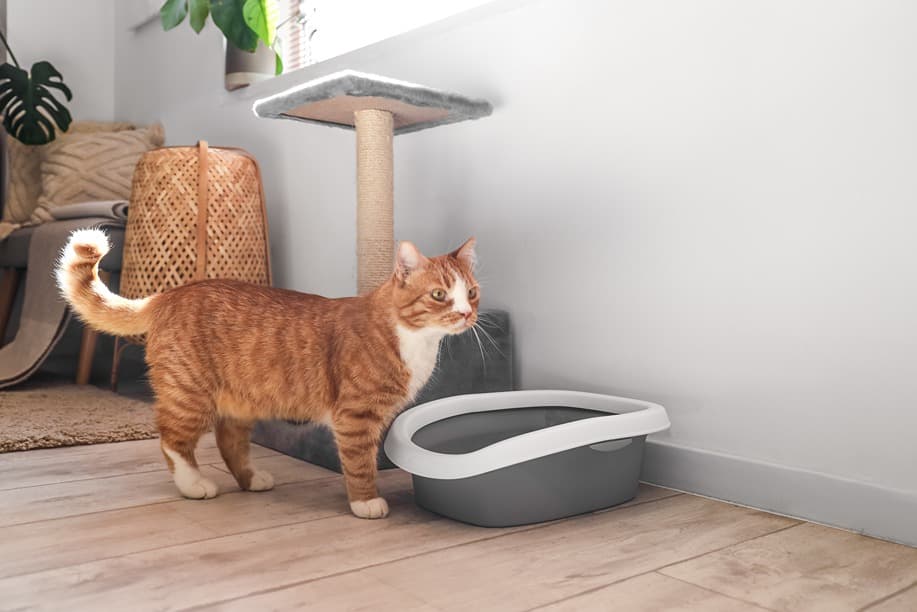
A good rule of thumb is to have one litter box per cat, plus one extra. Cats can be quite particular and often prefer not to share their litter box with other cats.
It’s also a good idea to spread the litter boxes out in different areas of your home, rather than placing them all in one room. This reduces the chances of territorial disputes and ensures that each cat has a quiet place to do their business.
What to Do If Your Cat Refuses to Use the Litter Box
If your cat is avoiding the litter box despite it being clean, there could be a few reasons. It might be the type of litter box or tray you’re using, or it could be the kitty litter itself.
Choosing the Right Litter Box or Tray
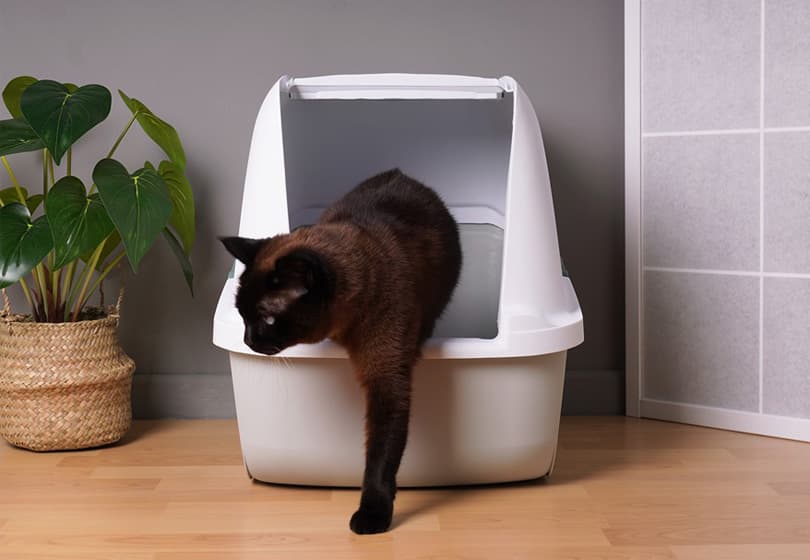
Some cats prefer open litter trays, while others may like the privacy of a closed litter box. If your cat is avoiding their current tray, it may be worth experimenting to see which type they prefer.
Cats like to feel safe when they’re using the litter box, but they also want to be aware of their surroundings. A closed tray might make some cats anxious because they feel vulnerable when they emerge. If your cat seems reluctant to use a closed tray, try an open one instead. Also, make sure the tray is big enough for your cat, especially if you have a larger breed—they’ll appreciate the extra space!

How to Switch to a New Cat Litter
What is the Best Cat Litter?
There are lots of different types of kitty litter out there, each with its own benefits. Here’s a breakdown to help you choose the right one for your cat:
| Type of Litter | Description | Pros | Cons |
|---|---|---|---|
| Clumping Litter | This litter forms solid clumps when wet, making it easier to scoop out urine and faeces. | Easy to clean, less frequent full changes required. | Can be dusty, may track outside the box. |
| Clay Litter | Traditional type of litter, both clumping and non-clumping, made from natural clay. | Affordable, widely available. | Needs frequent changing, can be heavy and dusty. |
| Natural & Recycled Litter | Litter made from natural, biodegradable materials such as wood, corn, wheat, walnut shells, recycled paper, or tofu. | Eco-friendly, biodegradable, often low in dust and naturally controls odours. | Needs more frequent changing, less effective at odour control. Can be more expensive |
| Crystal Litter | Made from silica crystals, this litter absorbs moisture and locks in odour. | Excellent odour control, Low Maintenance, Low dust | More expensive Some cats may not like the texture, sharp underfoot |
If you need to switch to a different type of kitty litter, it’s best to do so gradually. Start by mixing a small amount of the new litter with the old and slowly increase the proportion until the transition is complete. Cats are generally good at using a litter tray, but if your cat is used to toileting outside, you may need to retrain them. Start with soil or sand from their usual spot and gradually mix in the new litter until they’re comfortable.
If your cat is still avoiding the litter box, there could be an underlying issue, and it’s a good idea to check in with your vet.
Maintaining a clean and comfortable litter box is essential for your cat's well-being. By choosing the right type of litter, providing enough litter boxes, and keeping them clean, you can ensure your cat stays happy and healthy.
Perfect Litter Solutions Await
Explore more Cat Care Blogs

3 min read
Article name that is long to see how it sits on two lines
Lorem ipsum dolor sit amet, consectetur adipiscing elit. Quisque dignissim purus orci, at hendrerit massa pretium nec. Maecenas vitae porttitor ante. am facilisis vestibulum massa in mattis. Donec maximus ut risus vel sodales. Nullam facilisis vestibulum massa in mattis.
3 min read
Article name that is long to see how it sits on two lines
Lorem ipsum dolor sit amet, consectetur adipiscing elit. Quisque dignissim purus orci, at hendrerit massa pretium nec. Maecenas vitae porttitor ante. am facilisis vestibulum massa in mattis. Donec maximus ut risus vel sodales. Nullam facilisis vestibulum massa in mattis.
3 min read
Article name that is long to see how it sits on two lines
Lorem ipsum dolor sit amet, consectetur adipiscing elit. Quisque dignissim purus orci, at hendrerit massa pretium nec. Maecenas vitae porttitor ante. am facilisis vestibulum massa in mattis. Donec maximus ut risus vel sodales. Nullam facilisis vestibulum massa in mattis.
3 min read
Article name that is long to see how it sits on two lines
Lorem ipsum dolor sit amet, consectetur adipiscing elit. Quisque dignissim purus orci, at hendrerit massa pretium nec. Maecenas vitae porttitor ante. am facilisis vestibulum massa in mattis. Donec maximus ut risus vel sodales. Nullam facilisis vestibulum massa in mattis.